Bio
Hi, I'm Retro Core 64, a passionate collector and restorer of vintage computers and consoles from the 70s and 80s. My journey into the world of retro computing started with a fascination for the technology that laid the foundation for today's digital era. I have dedicated myself to preserving and restoring these iconic devices, ensuring they continue to operate and inspire future generations.
Repair & Restoration
Repairing and restoring vintage computers and consoles is a meticulous process. It involves:
- Diagnosing hardware and software issues
- Replacing faulty components with authentic or compatible parts
- Cleaning and refurbishing the exterior and interior
- Testing and calibrating to ensure proper functionality
- Documenting the process for future reference
Computers
Apple II (1977-1993)
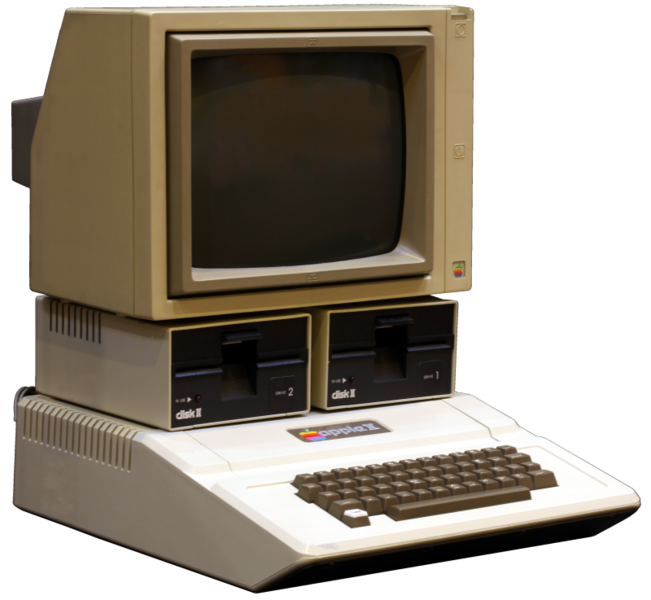
The Apple II was a groundbreaking personal computer released by Apple in 1977. It played a significant role in the home computer revolution and was known for its versatility and expandability.
Commodore 64 (1982-1994)
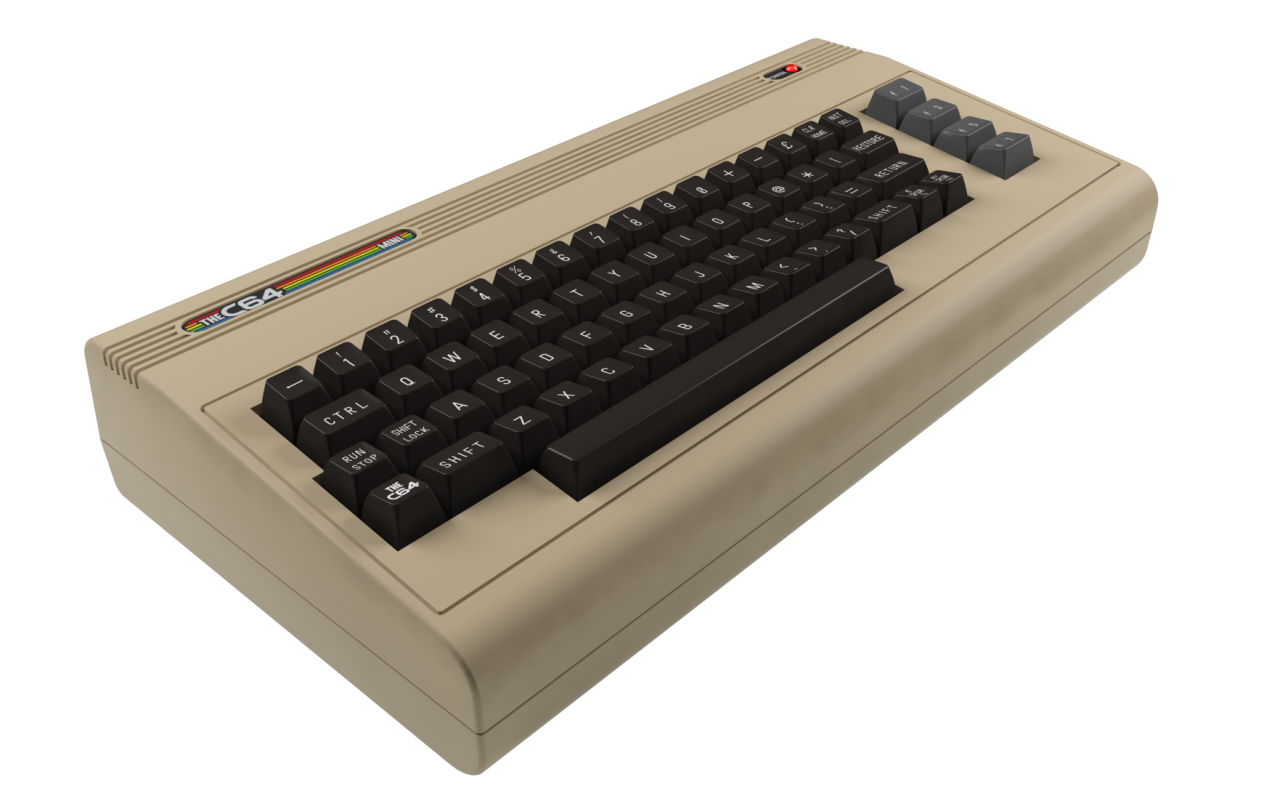
The Commodore 64, introduced in 1982, became one of the best-selling home computers of all time. It was renowned for its powerful graphics and sound capabilities, making it popular for gaming and programming.
Amiga (1985-1996)
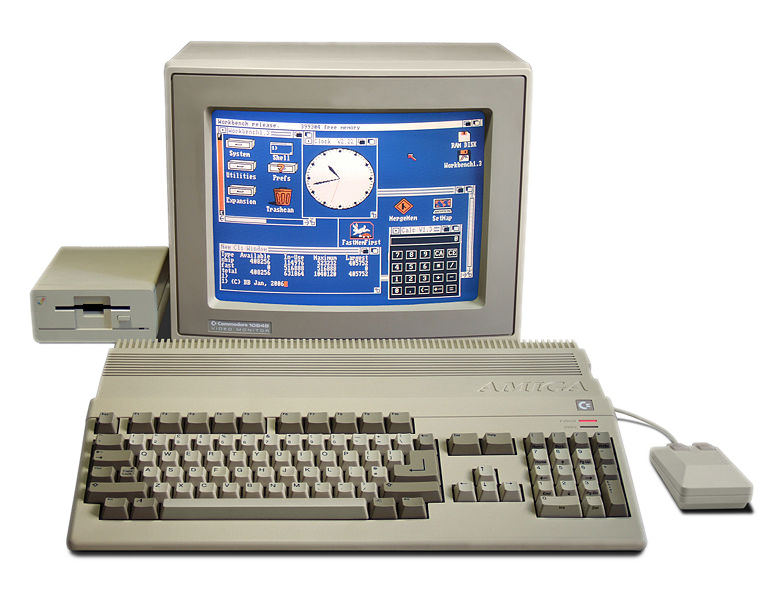
The Amiga series, launched in 1985, was known for its advanced graphics and multimedia capabilities. It was a favorite among artists, musicians, and gamers.
TI-99/4A (1981-1984)
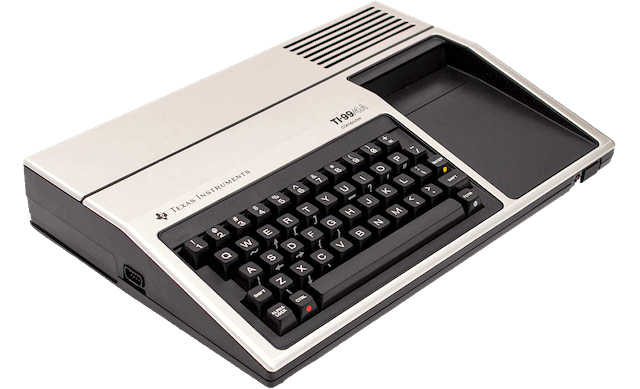
The TI-99/4A, released in 1981 by Texas Instruments, was one of the first 16-bit home computers. It featured a unique design and a variety of educational and gaming software.
Timex Sinclair (1982-1984)
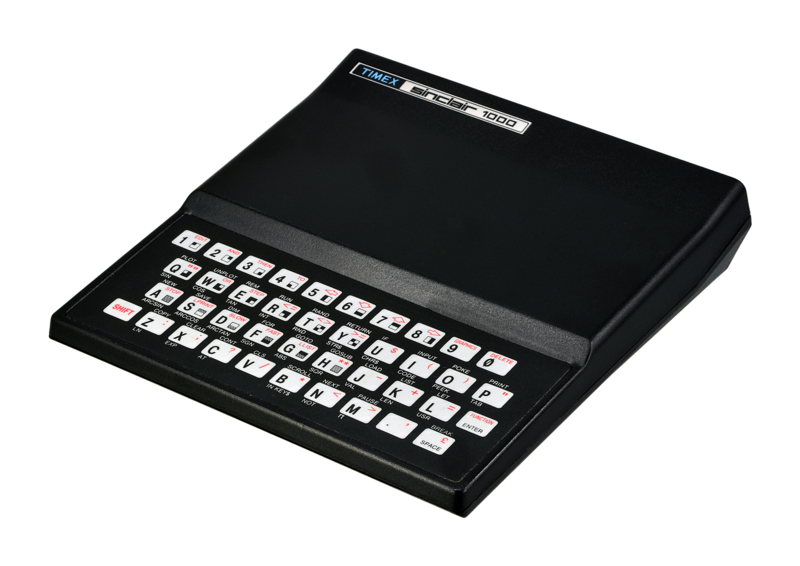
The Timex Sinclair series, including the popular Timex Sinclair 1000, was known for its affordability and compact design, making it accessible to many households in the early 80s.
TRS-80 (1977-1981)
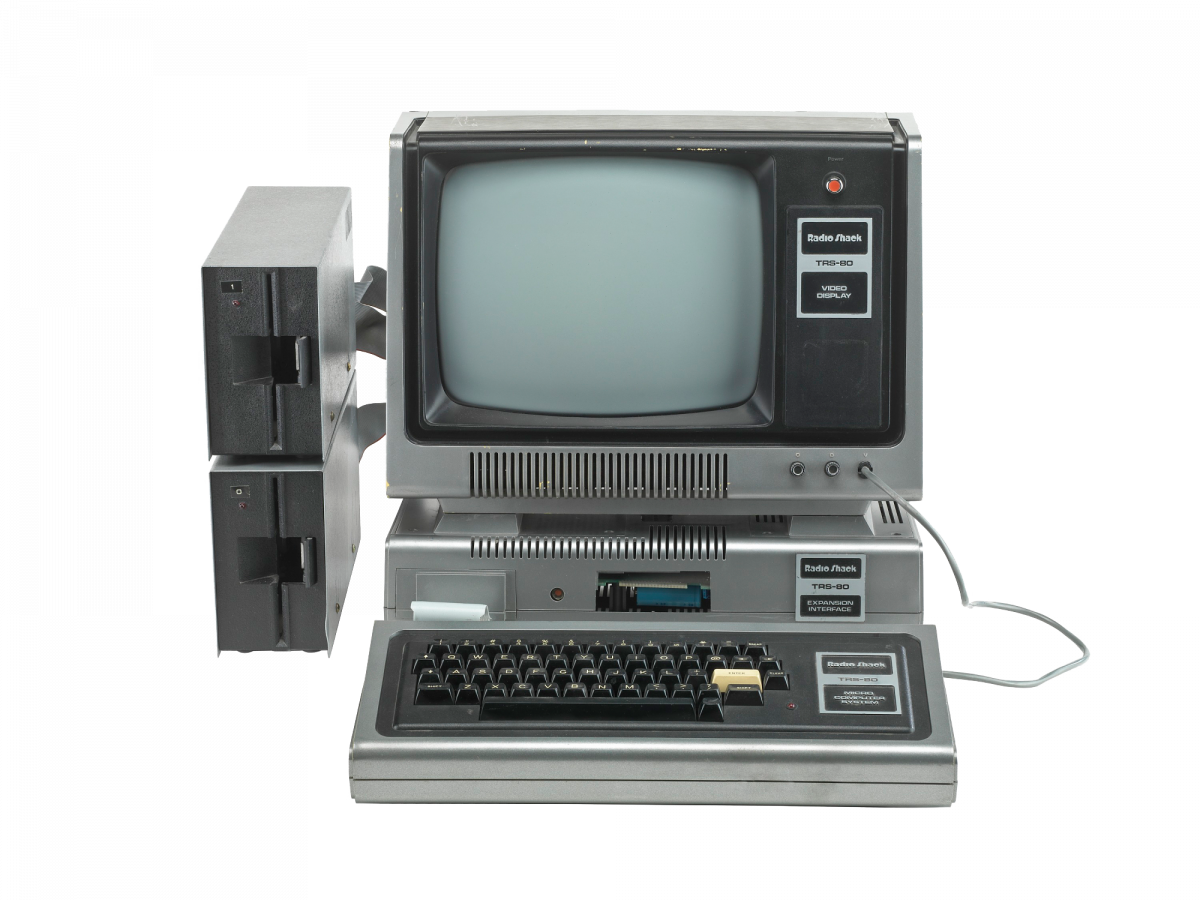
The TRS-80, introduced by Radio Shack in 1977, was one of the first mass-produced personal computers. It became a popular choice for businesses and hobbyists alike.
Consoles
Atari 2600 (1977-1992)
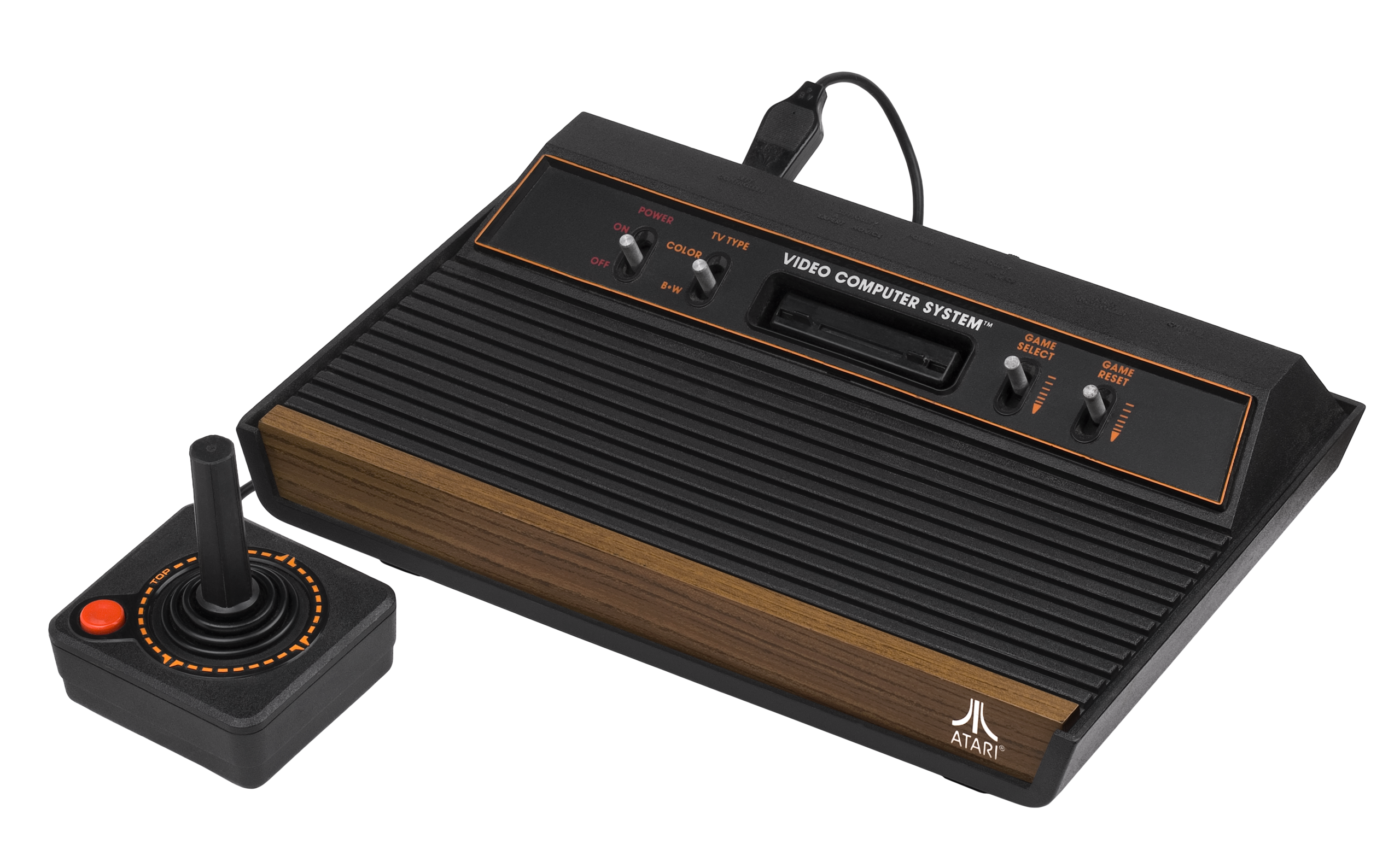
The Atari 2600, launched in 1977, revolutionized the gaming industry with its cartridge-based system. It became one of the most popular gaming consoles of its time, offering a wide variety of games and establishing home gaming as a mainstream activity.
Nintendo Family Computer (Famicom) (1983-2003)
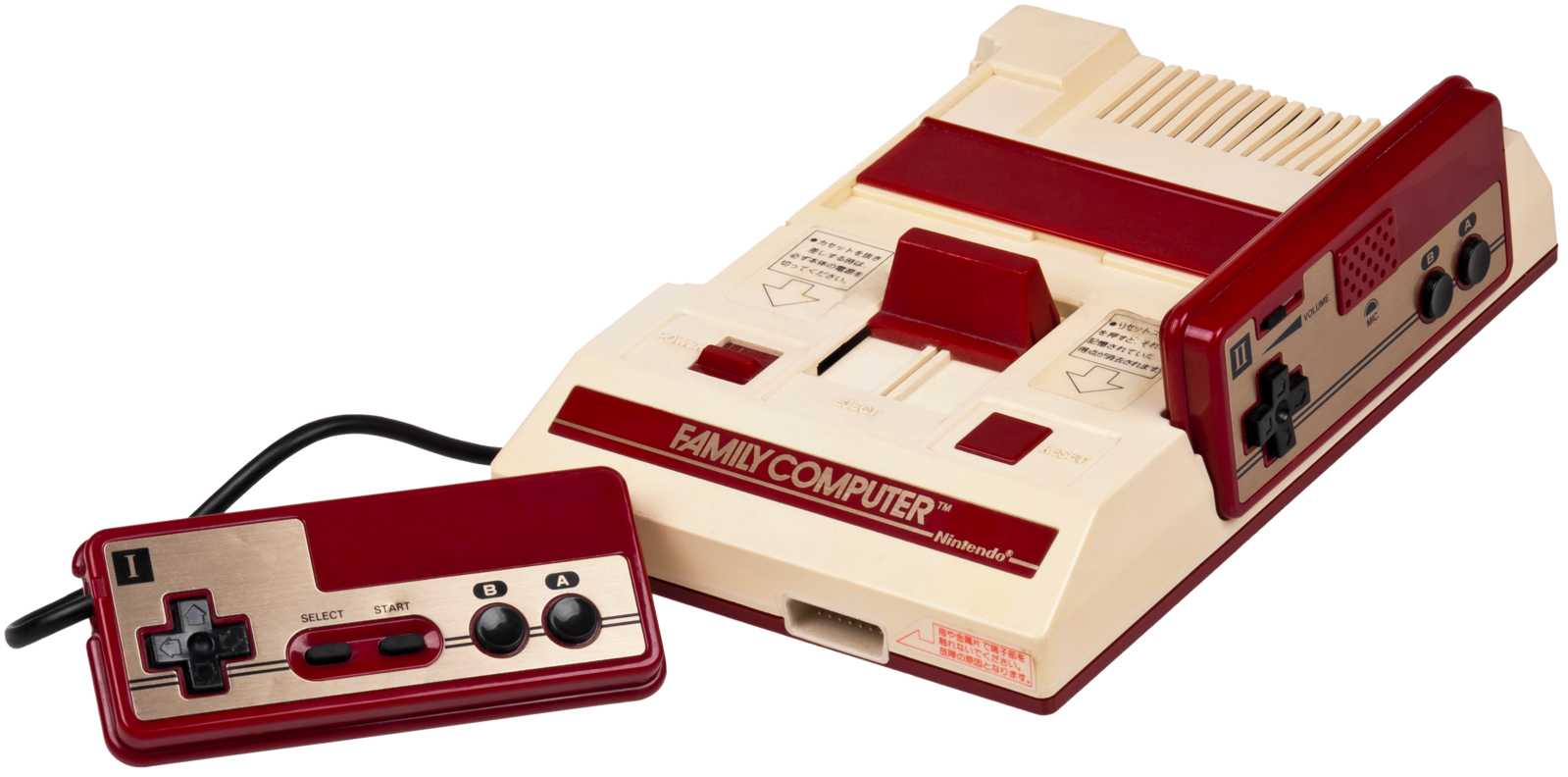
Nintendo Entertainment System (NES) (1985-1995)
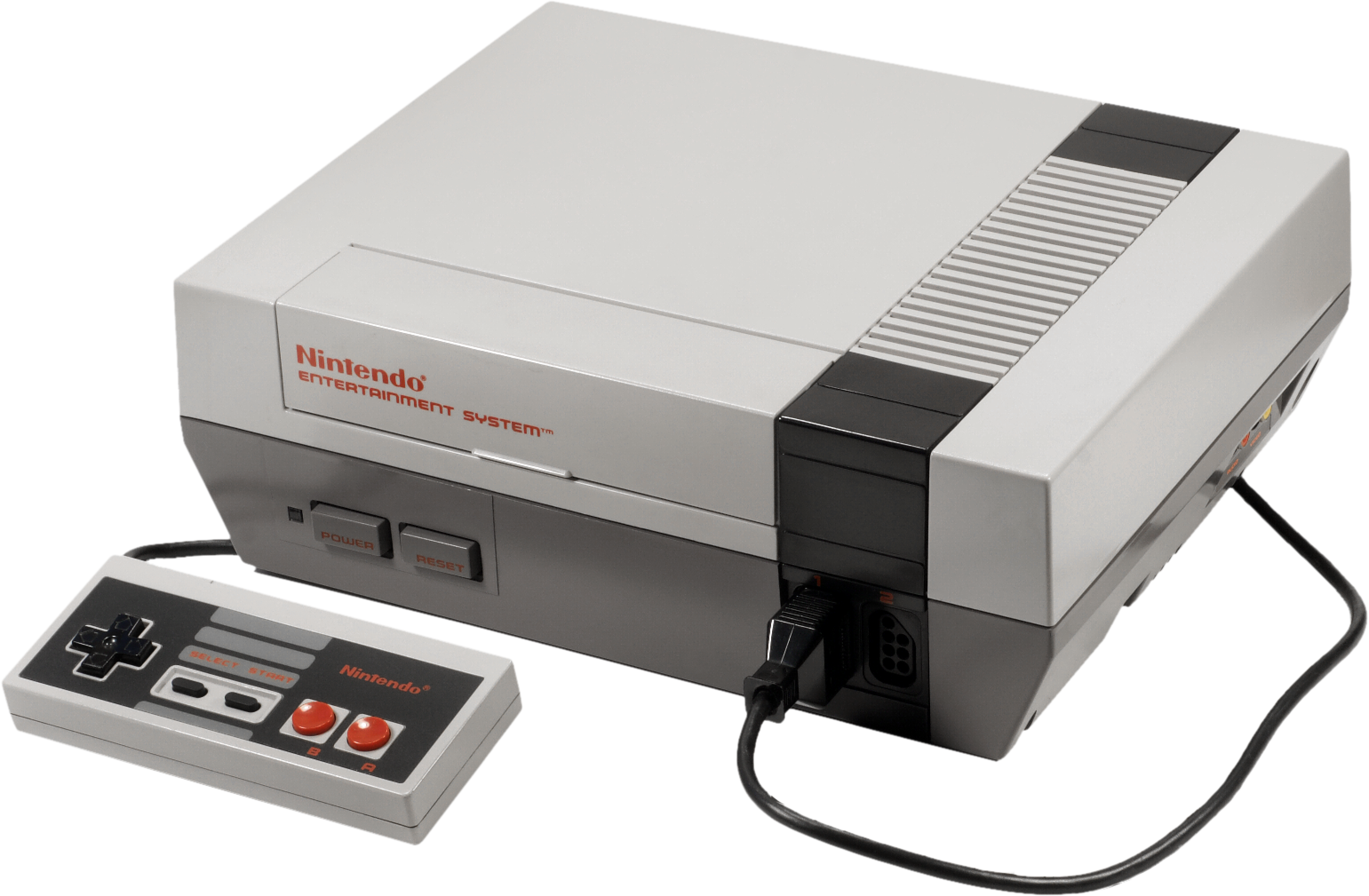
The Nintendo Family Computer, AKA Famicom released in 1983 in Japan and the Nintendo Entertainment System (NES), released in 1985 in the USA, revived the video game industry after the crash of 1983. It introduced iconic franchises like Super Mario and The Legend of Zelda.
Sega Genesis (1988-1997)
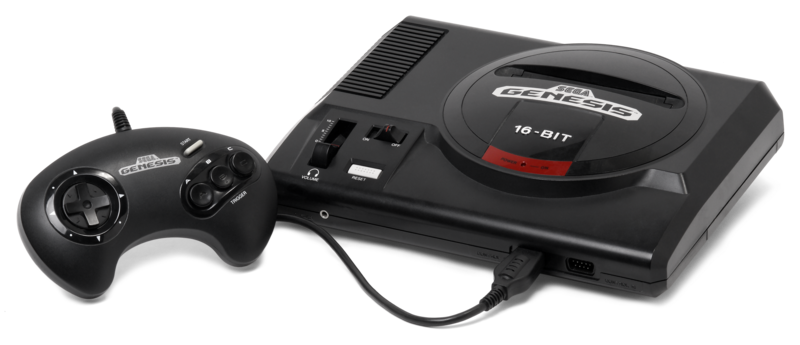
The Sega Genesis, launched in 1988, was known for its superior graphics and sound compared to its predecessors. It popularized games like Sonic the Hedgehog and was a strong competitor to the NES.
Intellivision (1979-1990)
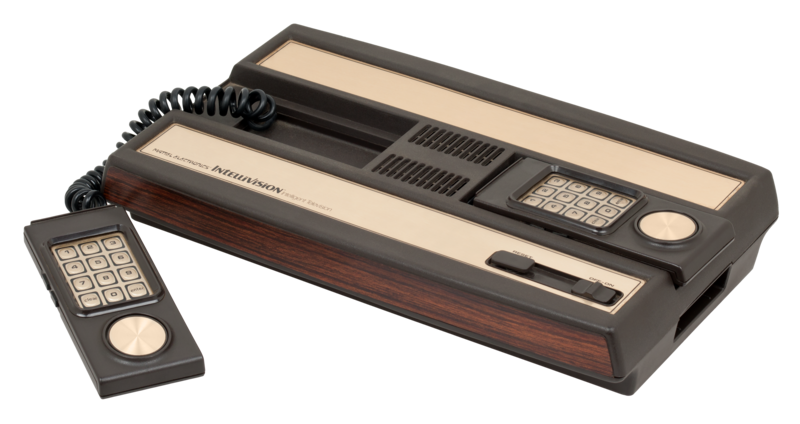
Released in 1979, the Intellivision was Mattel's entry into the home video game console market. It offered advanced graphics and a unique controller design, standing out in the early 80s gaming scene.
ColecoVision (1982-1985)

The ColecoVision, introduced in 1982, provided arcade-quality graphics and gameplay. It was known for its strong lineup of arcade ports and innovative accessories.
Blogs
Check out my latest blog posts on vintage computing, restoration tips, and more!
Contact
Feel free to reach out to me via email or Facebook:
- Email: retrocore.ph@gmail.com
- Facebook: Retro Core 64